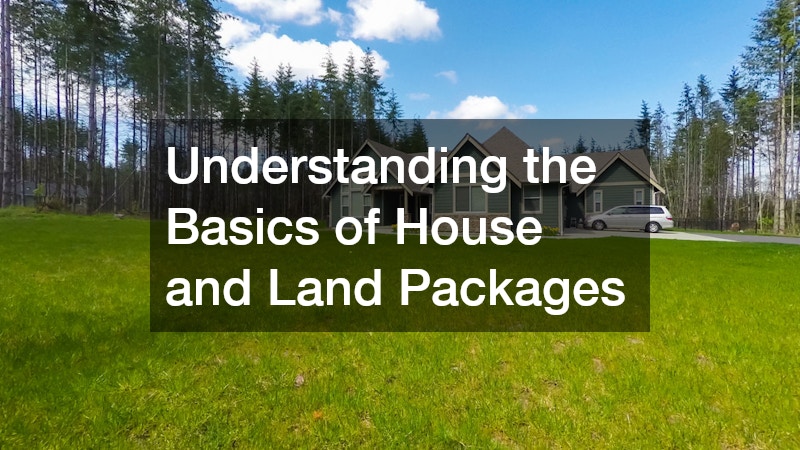
House and land packages are an increasingly popular option for both potential homeowners and investors seeking a streamlined approach to property ownership. They offer a cohesive solution that simplifies the traditional process of purchasing a home by bundling the cost of land with the cost of building a house.
This article delves into the various aspects of house and land packages, providing insights into their structure, benefits, and drawbacks. We will explore how these packages work, discuss the importance of choosing the right developer, and provide guidance on financing options available for such purchases.
What is a House and Land Package?
Definition and Key Features
A house and land package is a deal where buyers purchase a plot of land and the house that will be built on it in one complete package. This type of package often includes the land cost, construction costs, and any other fees related to building the home.
Key features of house and land packages include the ability to customise the construction to match personal preferences and the inclusion of fixed costs that help eliminate financial surprises. These packages are often found in upcoming estates or suburban developments designed to offer competitive pricing.
Types of House and Land Packages
There are generally two main types of house and land packages: fixed-price packages and customised packages. Fixed-price packages are deals where the developer and builder provide a total price that covers the full cost of the land and house, offering peace of mind without hidden costs.
In contrast, customised packages allow more flexibility in terms of design and upgrades but might come with variable costs depending on the specific choices made during construction. Both types cater to different needs and preferences, illustrating the diversity available within the market of homeownership.
How Do House and Land Packages Work?
The Purchasing Process Explained
Purchasing a house and land package begins with selecting a suitable land plot and builder from a list of offerings in a development. Once chosen, buyers sign a contract for the land and a separate contract for the home construction.
Throughout the process, buyers may work closely with the developer to ensure that all aspects of the build meet their expectations. Upon completion, the home is handed over, ready to move in, making it a convenient option compared to traditional home building.
Understanding the Land Component
The land component of a house and land package is a critical factor that requires careful consideration. Land in residential developments is often pre-approved for residential construction, simplifying the approval process generally required for building homes.
Buyers should consider the location, size, and orientation of the land to ensure it fits within their lifestyle goals. Additionally, understanding zoning regulations and potential future developments nearby is crucial for making an informed decision.
Pros and Cons of House and Land Packages
Advantages of Choosing a Package
One of the primary advantages of opting for a house and land package is the cost-effectiveness it offers compared to separate purchases. Buyers can also enjoy modern amenities and leave room for various customisation options to suit their needs.
Additionally, buying both house and land through a single transaction streamlines the process, reducing complexity in negotiations and project coordination. This bundled approach can save time and reduce stress associated with building a new home from scratch.
Potential Drawbacks and Risks
Despite the numerous benefits, there are potential drawbacks to house and land packages that should be acknowledged. Packages may offer limited choice in terms of design and location due to pre-selected plans and developments.
There is also a risk of hidden costs, particularly in customised packages where variations in design might result in unexpected expenses. Moreover, potential delays in construction can extend the time frame more than initially anticipated.
How to Choose the Right Developer and Builder?
Factors to Consider When Choosing a Developer
Choosing the right developer is crucial for ensuring a successful house and land package purchase. Prospective buyers should research the developer’s reputation, previous projects, and customer satisfaction to gauge their reliability.
Checking their financial stability and understanding the warranties and guarantees they offer can provide additional confidence in your choice. Ensuring that the developer aligns with your personal values and vision for your home is also essential.
Evaluating Builders and Their Packages
When evaluating builders, it is important to assess their experience and quality of work. Look for builders who are known for delivering high-quality homes and have a robust portfolio of completed projects.
Consider visiting display homes to get a sense of the workmanship and the materials used to ensure they meet your standards. Comparing different builders’ offerings and packages can also help you find the best fit for your needs and budget.
Financing Your House and Land Package
Understanding Your Mortgage Options
Financing a house and land package typically requires a construction loan, which covers both the land purchase and house construction. It is important to compare various mortgage options to ensure you are getting the best rates and terms available.
Consulting with a finance expert can provide valuable insights into the best approach for structuring your loan. Understanding the lender’s requirements and developing a comprehensive financial plan is key to a successful investment.
Budgeting for Additional Costs
Beyond the purchase price of the package, buyers should anticipate additional costs such as landscaping, driveways, and fencing. These can significantly impact the overall budget, making it critical to plan.
Additionally, consider any legal fees, insurance, and potential upgrades that might arise during the construction process. Efficient budgeting and financial planning will ensure that your new home remains a sound financial decision.